-
Two complimentary takes on NFTs and landlords. https://t.co/…
Two complimentary takes on NFTs and landlords. https://t.co/meKoShr7qe
-
Corrected. 30 years of https://t.co/zXTnKONaUA
Corrected. 30 years of #Vishwatma https://t.co/zXTnKONaUA
Category: Thoughts
-
Daily twitter archive 01/28/2022
-

The Founding Murder and the Final Boss
We have to talk about WeWork again!
So I guess they’re postponing the IPO after all, now that we’ve spun the roulette wheel and landed on “too toxic to handle” rather than “trillion dollar market opportunity for community enlightenment”. I guess we’ll have to wait and see what happens to WeWork. But in the meantime there’s something fascinating going on: how the rest of the tech community is spinning its wheels overtime in order to make sure that WeWork’s failure to IPO does not inflict any collateral damage on the rest of the ecosystem. It’s a great excuse to dive into one of my favourite topics: the norms and rituals and beliefs that make up the Silicon Valley Kayfabe, and what happens when we face a credible threat that our belief system might fall apart.
First, let’s go on a little journey. Longtime Snippets readers may remember one of my…
View original post 2,123 more words
-

Technology Is as Biased as Its Makers
The road ahead is going to be turbulent as more people realize the extent to which technology can be biased. What we do about now will possibly set the direction for the next few decades…
Lizzie O’Shea | an excerpt adapted from Future Histories: What Ada Lovelace, Tom Paine, and the Paris Commune Teach Us about Digital Technology | Verso | May 2019 | 30 minutes (8,211 words)
In the late spring of 1972, Lily Gray was driving her new Ford Pinto on a freeway in Los Angeles, and her thirteen-year-old neighbor, Richard Grimshaw, was in the passenger seat. The car stalled and was struck from behind at around 30 mph. The Pinto burst into flames, killing Gray and seriously injuring Grimshaw. He suffered permanent and disfiguring burns to his face and body, lost several fingers and required multiple surgeries.
Six years later, in Indiana, three teenaged girls died in a Ford Pinto that had been rammed from behind by a van. The body of the car reportedly collapsed “like an accordion,” trapping them inside. The fuel tank ruptured and ignited into a fireball.
Both…
View original post 8,317 more words
-
Whose advice should you take?
A useful way to look at advice…
My wife finds it irritating that I often take a long time to get round to following her recommendations, even though the ones I follow almost always turn out to be successful. This post is about what sort of advice is worth taking – my view of the evidence is, not much – and why a (very basic) bayesian attitude is worthwhile.
Everyone wants their advice to be taken, but almost no one actually wants or ever follows unsolicited advice. That paradox is worth thinking about.
The quality of people’s advice varies considerably depending on how specialist it is.
Even those people who are experts offering expert advice may not be that useful to you. A 2014 meta-study found, ‘deliberate practice explained 26% of the variance in performance for games, 21% for music, 18% for sports, 4% for education, and less than 1% for professions.’
All that practice will give…
View original post 1,580 more words
-
Facebook’s Crypto Strawman
This is their first attempt after all…
If you haven’t heard already:
Welcome to Libra | Facebook
Facebook announces Libra cryptocurrency: all you need to know | Josh Constine, TechcrunchI mean, hey, good for Facebook for… going for it, I guess? After two-plus years of being called all sorts of nasty names – a threat to democracy, a nest of lies, a horde of children playing run-the-universe, you get the idea – Facebook has announced their newest plan to get everybody mad at them: they’re launching a new cryptocurrency / payments product for their users around the world. They call it “A simple global currency and financial infrastructure that empowers billions of people.” And it’s called Libra.
The actual mechanics of the Libra blockchain protocol are a real Rorschach test: whatever it is you already thought Facebook was doing, you’re probably going to keep thinking that, but armed with more talking points:
- Libra is a private…
View original post 1,327 more words
-
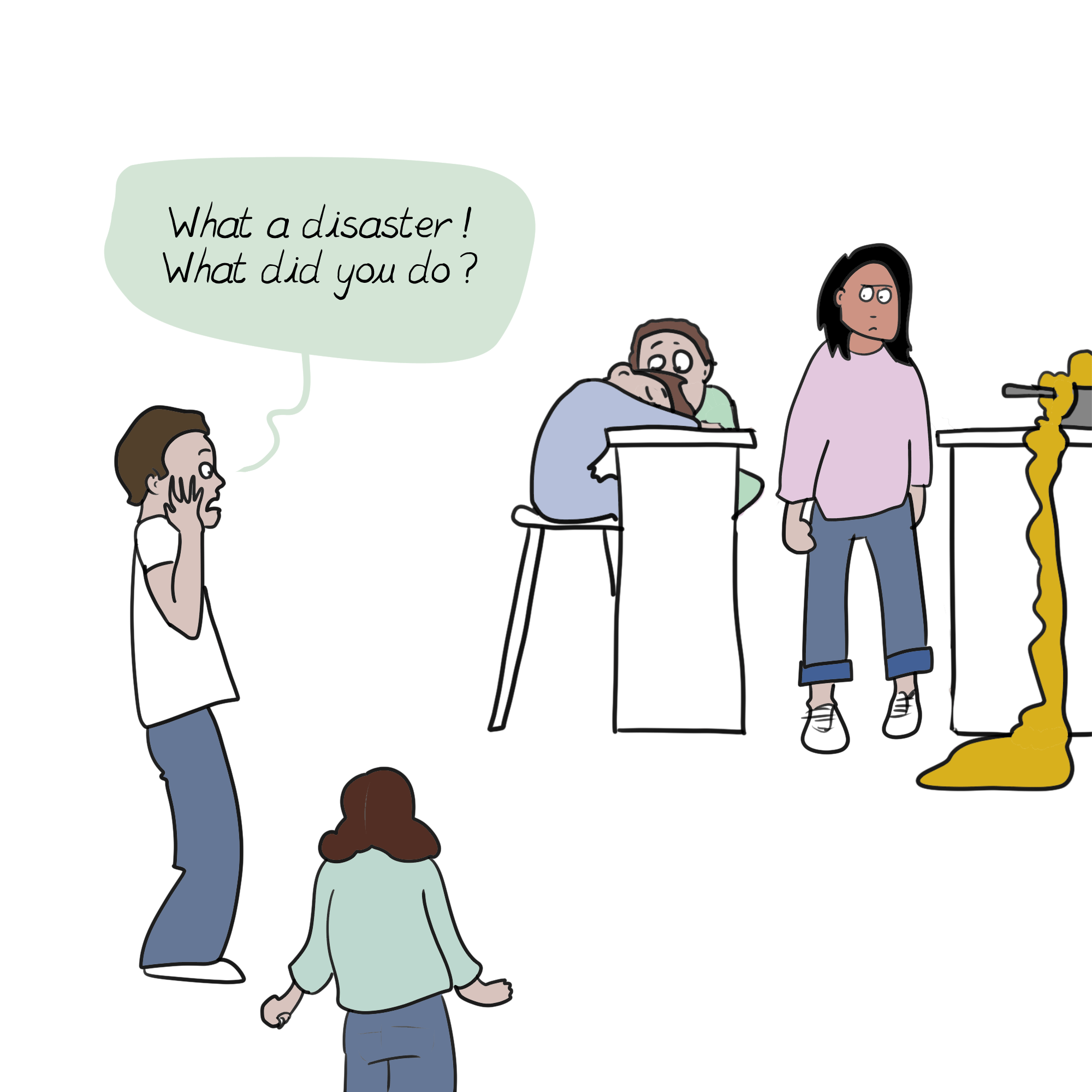
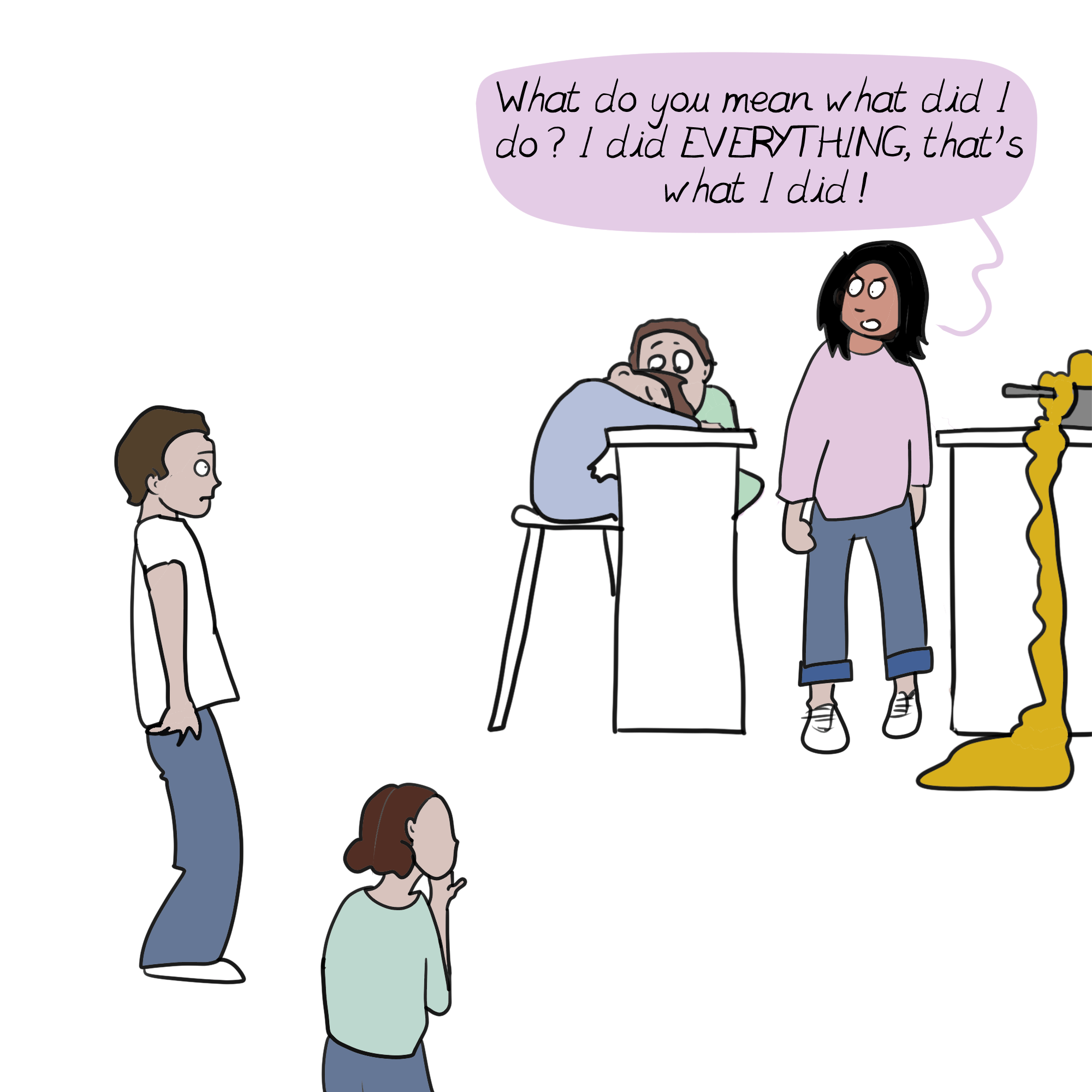
You should’ve asked
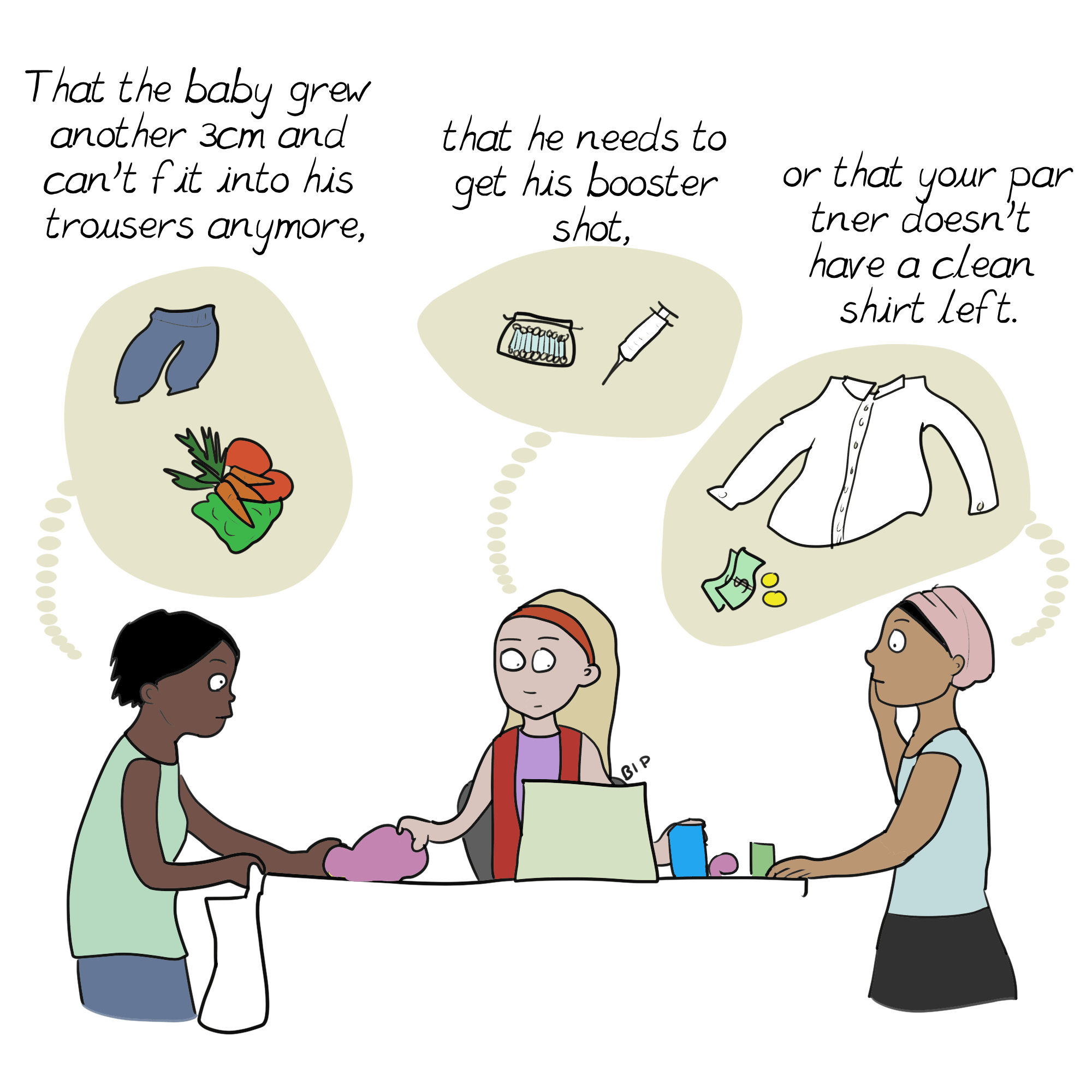
Here is the english version of my now famous “Fallait demander” ; now available as a book with other stories :

Orders available here or here or here ^_^
Thanks Una from unadtranslation.com for the translation 🙂










-
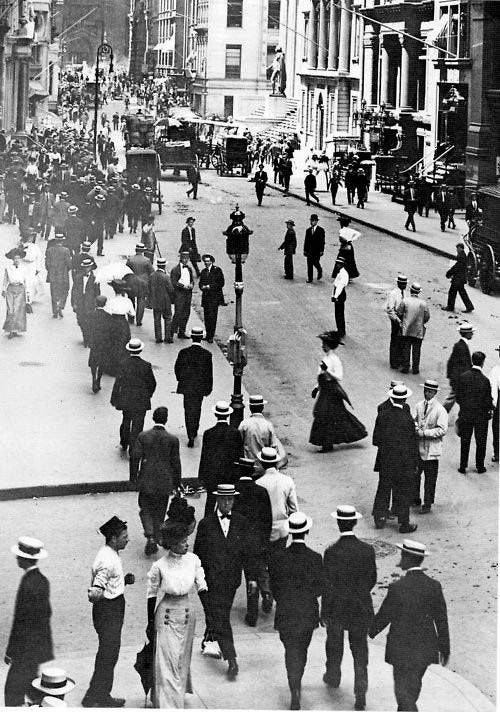
How the Model T drove hats out of fashion
Last week, I came across this tweet from an account I follow on Twitter.
Take a closer look at the picture.
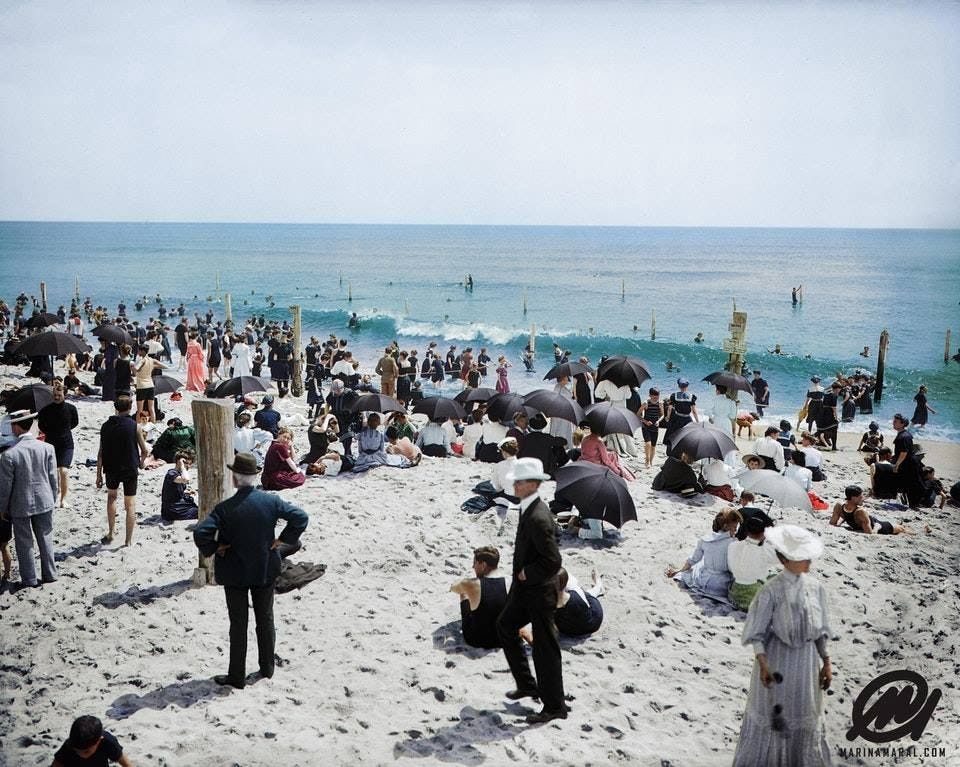
Every single person in this picture, man or woman, was wearing a hat. There isn’t a single person in that picture that isn’t wearing a hat. People even wore broad-rimmed and Panama hats to the beach (unless they were swimming).
Of course, createstreets was pointing out the large sidewalks and tiny roads in the picture, reminding the audience that this was at a time when everybody was walking or riding a horse, and very few people drove cars.
I’m not really sure how my train of thought ended up where it did, but I quickly asked this question: did hats fall out of fashion because of cars?
I ended up getting into a conversation with Andrew, who previously worked in the fashion world, about this particular subject, and…
View original post 1,039 more words
-
First impressions of Spotify in India
The service launched yesterday in India in the midst of the Warner music conflict, but it seems to have a pretty decent catalogue in India. The recommendations engine is also top notch as I experienced it first hand by feeding in my preferred artists across different genres and it right away created a bunch of playlists with some of my favorite songs. Definitely the best experience of all the music streaming services so far for me.
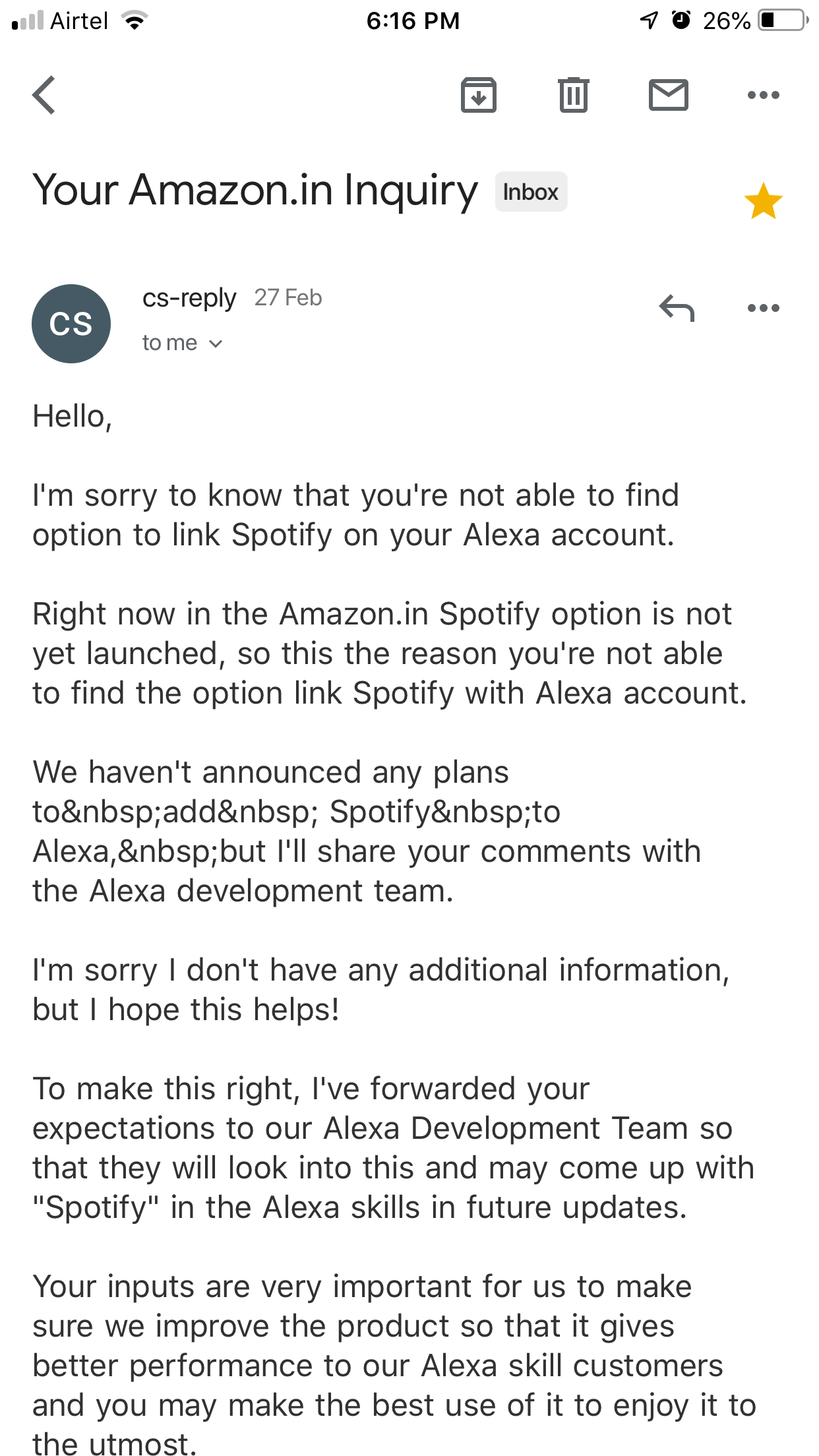
I’m currently on the free tier which doesn’t lose out much other than the highest audio quality and offline storage. The ads are bearable for now. It also seems that Amazon is holding back with their Spotify support on the Echo line in India as seen in this mail from customer support.
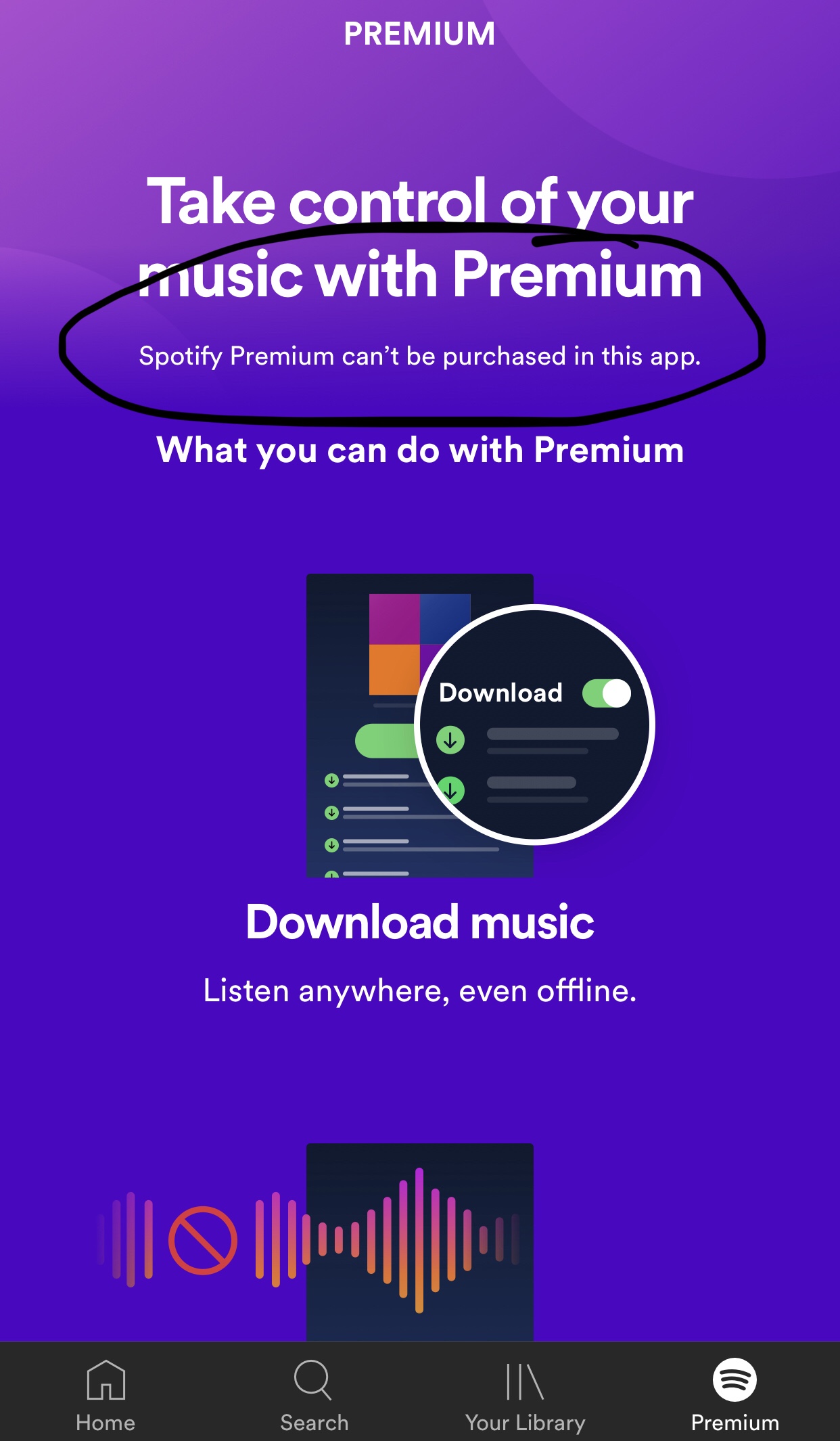
The premium pricing is also in line with Apple Music though quite a bit more expensive than the Indian services like Wynk or Saavn. It also doesn’t seem to support in app purchases on iOS as evidenced below.
I’ll probably go for the premium subscription once the Echo support kicks in or I require the offline access. For now, happy with the free tier of Spotify and making do with Amazon Music on the Echo.
-
The social (VFX) lives of Hollywood
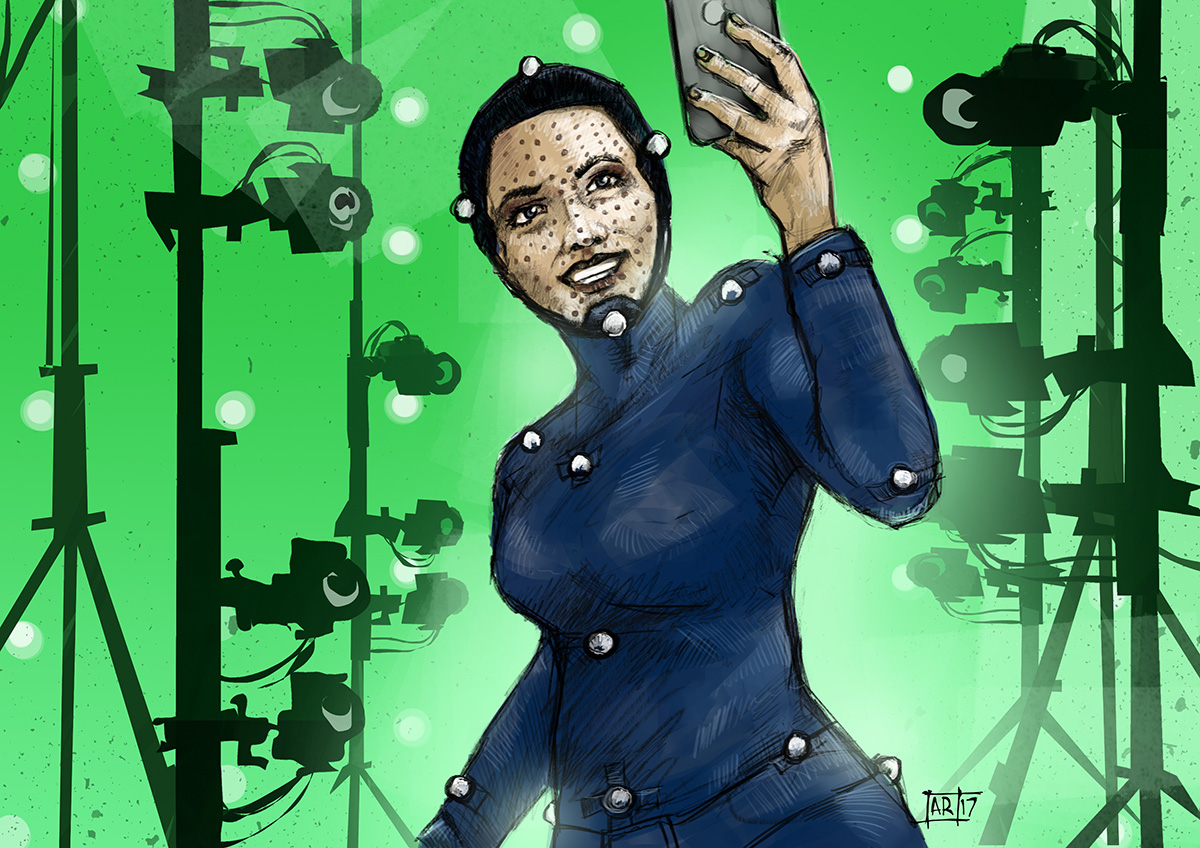 Illustration by Aidan Roberts.
 One of the toughest things about covering visual effects can be getting great VFX imagery to display with a story. There’s often a lengthy approvals process, and sometimes film and TV distributors just want to keep certain things under wraps. That can make it hard to produce interesting stories; in visual effects, behind the scenes images and videos tell so much of the process.
But lately, I’ve started noticing that many actors, directors and filmmakers have been posting a bunch of fun on-set and often VFX-related pics and clips to their social media accounts. We’re talking actors on greenscreens, in mocap suits, being scanned, or otherwise interacting with the teams behind the visual effects shots they’ve been working on.
What I love about these postings, too, is occasionally they’ll hint at the VFX work to come, often months down the track. It’s fun to compare…
View original post 1,588 more words
-
Bringing IoT to sports analytics
IoT for cricket!
Bringing IoT to sports analytics Gowda et al., NSDI 17
Welcome back to the summer term of #themorningpaper! To kick things off, we’ll be looking at a selection of papers from last month’s NSDI’17 conference.
We haven’t looked at an IoT paper for a while, and this one happens to be about cricket – how could I resist?! The results are potentially transferable to other ball sports – especially baseball – so if that’s more your thing the results should also be of interest. More generally, it’s an interesting case study in embedding intelligence into everyday objects.
Sports analytics is becoming big business – for broadcasters, coaches, sports pundits and the like. Typically the data for such systems comes from expensive high-quality cameras installed in stadiums.
We explore the possibility of significantly lowering this cost barrier by embedding cheap Inertial Measurement Unit (IMU) sensors and ultrawide band (UWB) radios inside…
View original post 1,548 more words