When I moved to Dubai and got the apartment, the family was still back in Mumbai due to my daughter’s ongoing school session. This meant that I was on my own when it comes to food (getting a cook for just 1 person did not make sense).
What is Sous Vide?
Being the engineer (with a management degree like a lot of other fellow Indians), I wanted to use a predictable and low effort cooking method and that’s where I got to know about the sous vide method. It roughly translates to under vacuum, and is basically a low temperature long time technique where you vacuum seal your food and cook it in a temperature controlled water bath. From wikipedia:
Sous vide (/suː ˈviːd/; French for ‘under vacuum’), also known as low-temperature, long-time (LTLT) cooking, is a method of cooking invented by the French chef Georges Pralus in 1974, in which food is placed in a plastic pouch or a glass jar and cooked in a water bath for longer than usual cooking times (usually one to seven hours, and more than three days in some cases) at a precisely regulated temperature.
The temperature is much lower than usually used for cooking, typically around 55 to 60 °C (130 to 140 °F) for red meat, 66 to 71 °C (150 to 160 °F) for poultry, and higher for vegetables. The intent is to cook the item evenly, ensuring that the inside is properly cooked without overcooking the outside, and to retain moisture.
Here’s the video from Sorted Food that inspired me to try out sous vide cooking:
Why Sous Vide?
The main reason to go for sous vide cooking is that you need to just set the cooking temperature and not worry much about the cooking time which is quite forgiving. Moreover, you don’t need to be active while the actual cooking is happening and can easily catch a few TV show episodes or a part of a movie while the food cooks. The main active time is for the ingredients prep which can be done while getting the water bath to the required temperature.
One thing to keep in mind, especially with meats and fish is that while the texture and taste of the food comes out excellent, it may not be as appetizing to look at due to the lack of caramelization or any kind of crust which comes from high temperature cooking like frying or grilling. You could overcome this by finishing it in a pan to get a crust, but make sure it is for a short time as you may end up overcooking the food defeating the sous vide process.
How to get started?
Immersion circulators are typically used for sous vide cooking, but I did not want to go for a single purpose device. That’s how I discovered the multi-function Instant Pot pressure cooker with the sous vide feature on Amazon and promptly ordered one. I initially got a bunch of zip lock bags for cooking using the displacement method for sealing, but it was not very secure. I subsequently opted to get a vacuum sealer (Inkbird model) that turned out to be quite handy and reliable.
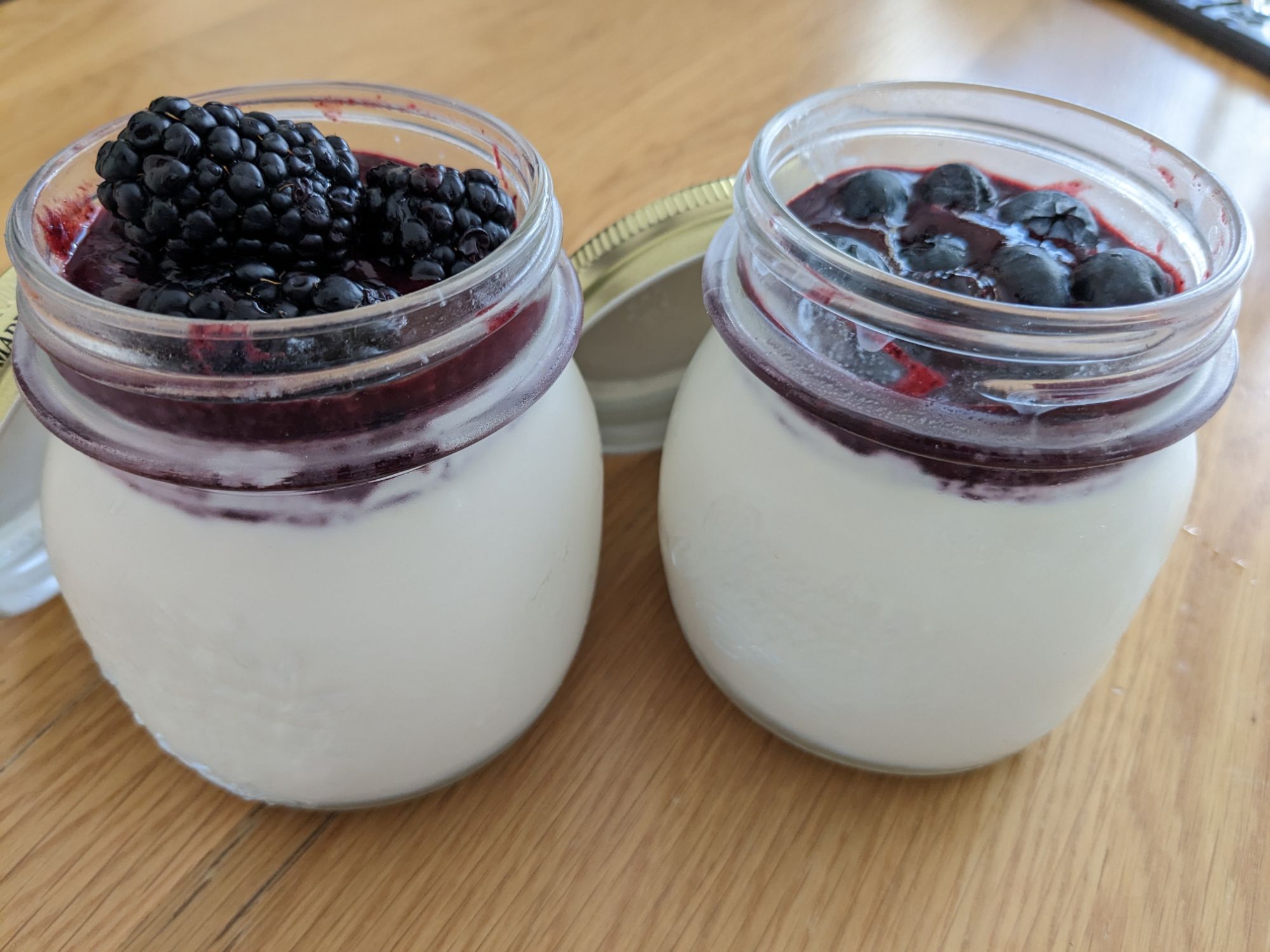
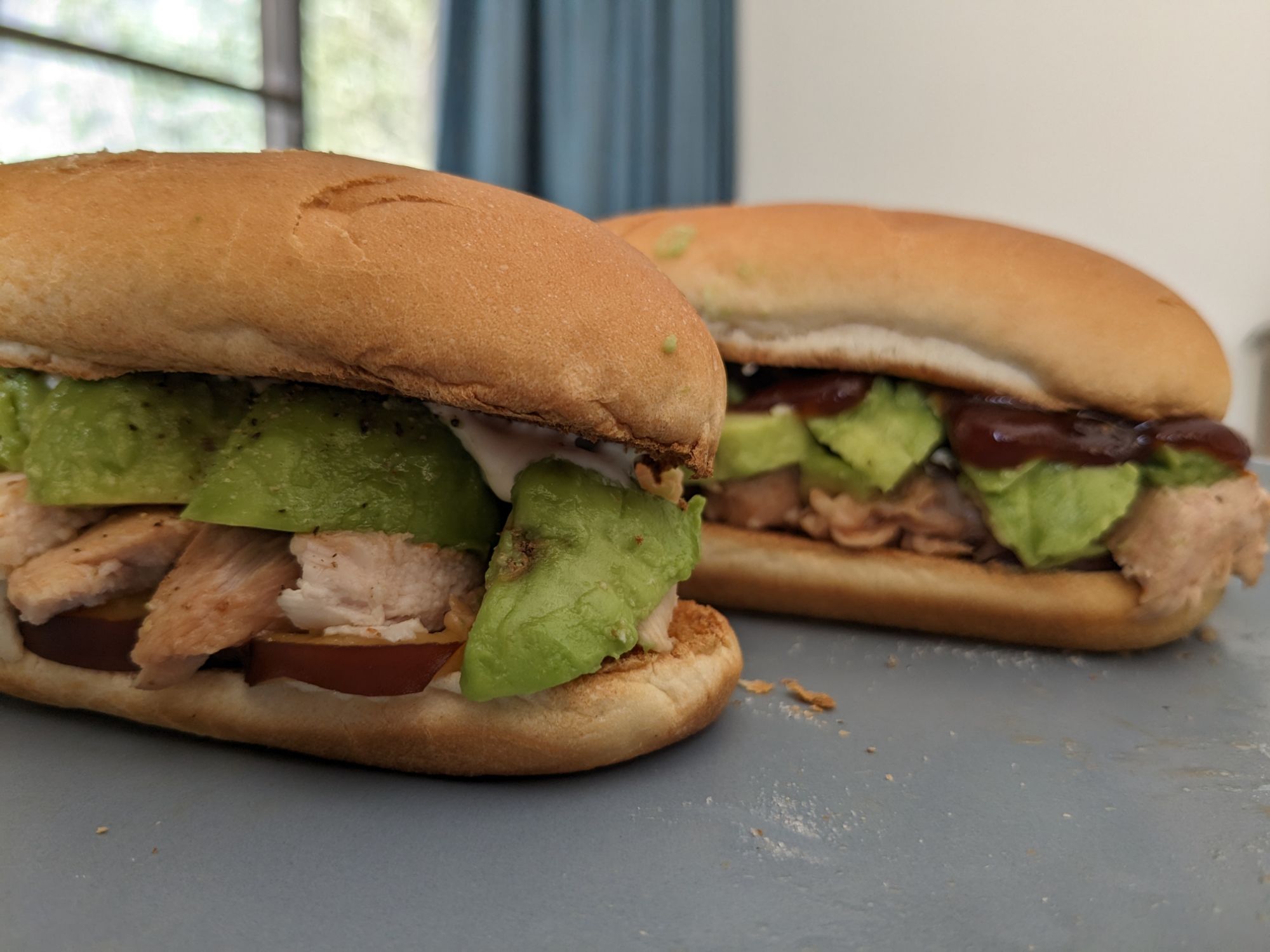
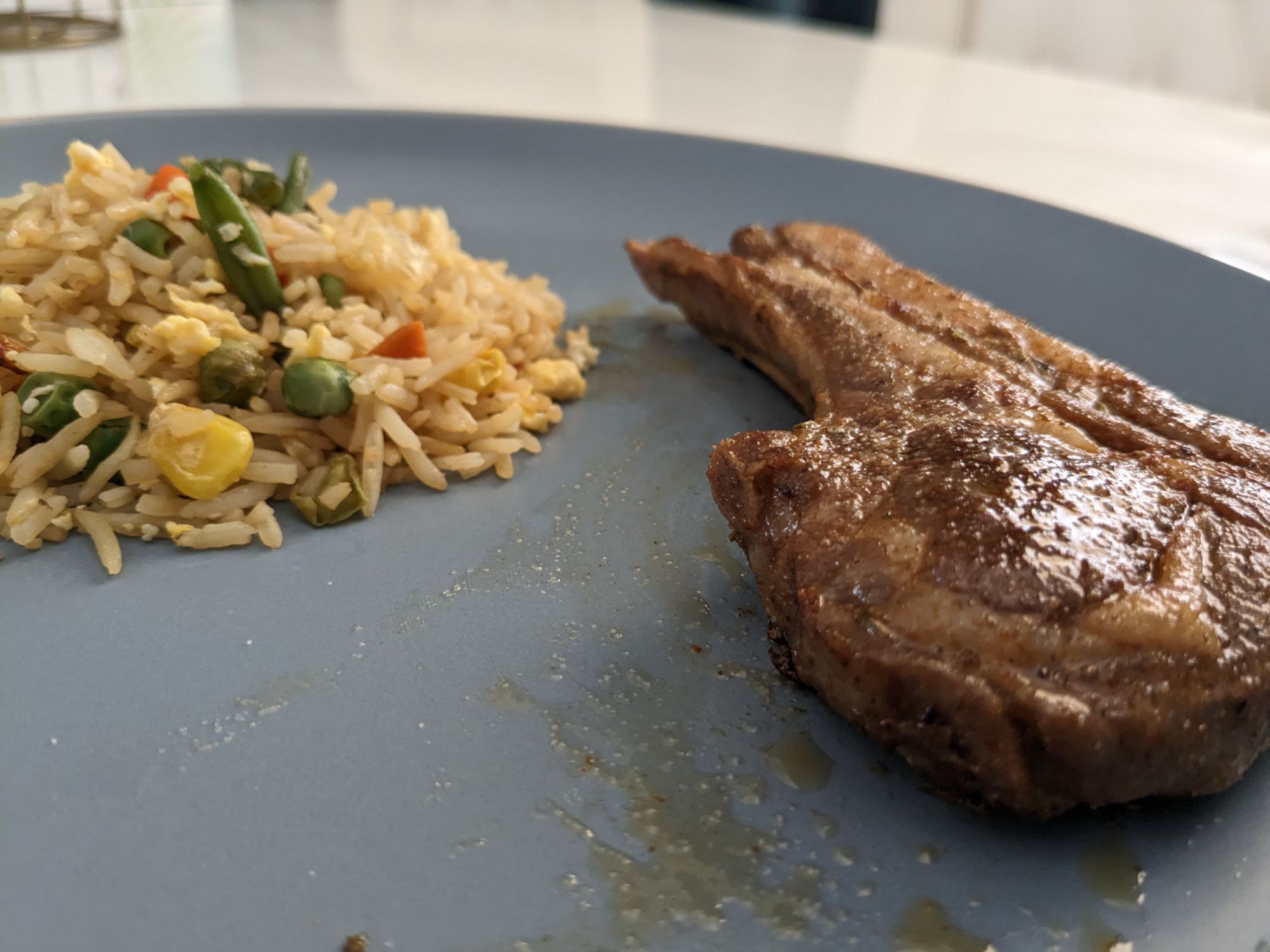
There are a bunch of sites with sous vide recipes, of which I found Serious Eats to be quite useful as it gave a very detailed explanation of the differences that varying temperatures and cooking time can have on the end result. I have tried cooking a variety of dishes from prawns, mashed potatoes, fish (salmon & hilsa), chicken, lamb chops to panna cotta and they have come out quite well. This has been endorsed by my better half and daughter as well as the guests to whom we served some of the dishes.
Here’s a quick reference table for some of the items that I have tried:
| Food | Temperature | Time |
| Mashed Potatoes | 90°C | 60-90 min |
| Salmon or Hilsa (Ilish) | 43°C (for buttery texture) up to 54°C for more flaky texture | 30-45 min |
| Chicken breast | 60-65°C | 1-4 hours |
| Chicken thigh | 66-74°C | 1-4 hours |
| Prawns | 60°C (poached texture) | 30-45 min |
| Lamb | 55-64°C | 2-4 hours |
| Panna cotta | 90°C | 60-90 min |
Bonus: Bhapa Ilish alternative via sous vide
After trying the salmon sous vide, I wanted to give the Bengali favourite hilsa fish (a distant cousin of the salmon after all) a try. Bhapa ilish (steamed hilsa) is a fairly simple dish where you mainly need to season the fish cuts with salt, turmeric, mustard oil & mustard powder (or crushed mustard).
The typical technique involving a steam bath in a pressure cooker or microwave oven can be a bit hit or miss as the fish texture is very sensitive to temperature. That’s where sous vide comes in and while I didn’t find any online recipes for sous vide ilish, the salmon specs worked out quite excellently.
Anyway, that’s my journey with the sous vide cooking method. Here are some of the photos of the dishes I cooked over the last couple of years: