Tag: experiment

  • My NotebookLM a-ha moment

    My NotebookLM a-ha moment

    I have been trying out Google’s NotebookLM over the last few days, and I thought of taking a shot at generating a podcast from the “What if” exhibit images that I had come across during my visit to the Birla Science & Technology Museum in Kolkata last month.

    I had created a PDF from the images I had taken from the exhibit and uploaded it to NotebookLM as a source. Below is the audio overview from this file – just give it a listen.

    This is nothing short of astounding given the way in which it is presented by the 2 hosts not just categorizing and covering each of the scientist’s contribution, but also explaining some of the key terms and providing context for their work. The last 4-5 min are even more interesting as it looks at the big picture and talks about nation building.

    I also gave the interactive mode (currently in beta) a try wherein you can interrupt the hosts with your comments and questions. I brought in the family connection to Upendranath Brahmachari (my father had incidentally created the wikipedia page back in 2005), and also asked about potential conspiracy theories surrounding the lives of Homi Bhabha and Vikram Sarabhai. They seemed to do a good job of integrating my comments before bringing the discussion back on track, even sounding slightly vexed by the multiple interruptions.

    Looks like 2025 is going to be another big year for the AI related developments given the plethora of announcements at the end of last year, and Google definitely has something interesting going on as always. Just hope that they don’t shut it down.

    In case you are curious, here’s the PDF that I used:

    And here’s the text summary that NotebookLM generated from the file:

    Here is a list of all the scientists mentioned in the sources, along with their contributions:

    Chemistry

    • Thiruvengadam Rajendram Seshadri: Awarded a fictional Nobel Prize in Chemistry for his research on plant chemistry, primarily in oxygen heterocylics, and his contributions to the isolation and structural elucidation of flavonoid pigments.
    • Prafulla Chandra Ray: Awarded a fictional Nobel Prize in Chemistry for his research on organic and inorganic nitrites and pioneering modern chemical research in India.
    • Asima Chatterjee: Awarded a fictional Nobel Prize in Chemistry for her contributions to medicinal chemistry, with a special reference to alkaloids, coumarins and terpenoids, alongside her advancements in mechanistic organic analytical chemistry and development of anti-epileptic and anti-malarial drugs.

    Physics

    • Homi Jehangir Bhabha: Awarded a fictional Nobel Prize in Physics for explaining the scattering of positrons by electrons with exchange, his work on Dirac’s theory of the positron, the passage of fast electrons and the theory of cosmic showers.
    • Meghnad Saha: Awarded a fictional Nobel Prize in Physics for formulating the Saha Equation, which allows for the calculation of the degree of ionization in a gas, a concept important in analyzing the spectra of stars and nebulae.
    • Satyendra Nath Bose: Awarded a fictional Nobel Prize in Physics for his work describing elementary quantum particles, leading to Bose-Einstein Statistics which fueled the quantum revolution.
    • Jagadish Chandra Bose: Awarded a fictional Nobel Prize in Physics for his quasi-optical experiments on the properties of very short radio waves, leading to improvements in the coherer and contributing to the development of solid-state physics.

    Physiology or Medicine

    • Upendranath Brahmachari: Awarded a fictional Nobel Prize in Physiology or Medicine for creating the drug Urea Stibamine, used to treat visceral leishmaniasis or black fever, a severe infection caused by the Leishmania parasite.
    • Dilip Mahalanabis: Awarded a fictional Nobel Prize in Physiology or Medicine for being one of the earliest practitioners of vital oral rehydration therapy, whose research into diarrhoeal diseases saved millions of lives, including vulnerable infants.

    Other Sciences

    • Birbal Sahni: Awarded a fictional Nobel Prize in Paleobotany for examining evolutionary trends and geographical distributions, suggesting a separate order, Taxales, within the conifers.
    • John Burdon Sanderson Haldane: Awarded a fictional Nobel Prize in Evolutionary Biology for his work in relating Darwinian evolutionary theory and Gregor Mendel’s concepts of heredity.
    • Prasanta Chandra Mahalanobis: Awarded a fictional Nobel Prize in Statistics for formulating the Mahalanobis distance – a statistical measure of comparison between two data sets – and for his work on innovative techniques for conducting large-scale sample surveys.
    • Salim Moizuddin Abdul Ali: Awarded a fictional Nobel Prize in Ornithology for his systematic bird surveys across India and authoring books popularizing ornithology.
    • Edavaleth Kakkat Janaki Ammal: Awarded a fictional Nobel Prize in Botany for her contributions to plant breeding, cytogenetics, phytogeography and her development of several hybrid crop species, including varieties of sweet sugarcane that allowed India to cultivate its own.
    • Anna Modayil Mani: Awarded a fictional Nobel Prize in Meteorology for creating India’s first ozonesonde, making it easier for scientists to monitor the ozone layer.
    • Vikram Ambalal Sarabhai Jain: Awarded a fictional Nobel Prize in Space Science for initiating space research and helping develop nuclear power in India.
    • Verghese Kurien: Awarded a fictional Nobel Prize in Dairy Science for transforming India’s dairy industry by streamlining effective management and distribution strategies, making India the largest milk-producing country in the world.
    • Mankombu Sambasivan Swaminathan: Awarded a fictional Nobel Prize in Agricultural Science for his contributions to the Green Revolution in India by introducing high-yielding varieties of wheat and rice, further developing high-yielding varieties of wheat and rice, and spearheading mass movements with farmers and scientists. His work helped save India and Pakistan from certain famine-like conditions in the 1960s.
    • Manali Kallat Vainu Bappu: Awarded a fictional Nobel Prize in Astronomy for jointly discovering the Wilson-Bappu effect with astronomer Olin Chaddock Wilson.
    • Vijay Pandurang Bhatkar: Awarded a fictional Nobel Prize in Computer Science for architecting India’s national initiative in supercomputing, where he spearheaded the development of India’s first supercomputer PARAM in 1990.
  • Dubai Diaries: Sous Vide or Cooking like an Engineer

    Dubai Diaries: Sous Vide or Cooking like an Engineer

    When I moved to Dubai and got the apartment, the family was still back in Mumbai due to my daughter’s ongoing school session. This meant that I was on my own when it comes to food (getting a cook for just 1 person did not make sense).

    What is Sous Vide?

    Being the engineer (with a management degree like a lot of other fellow Indians), I wanted to use a predictable and low effort cooking method and that’s where I got to know about the sous vide method. It roughly translates to under vacuum, and is basically a low temperature long time technique where you vacuum seal your food and cook it in a temperature controlled water bath. From wikipedia:

    Sous vide (/suː ˈviːd/; French for ‘under vacuum’), also known as low-temperature, long-time (LTLT) cooking, is a method of cooking invented by the French chef Georges Pralus in 1974, in which food is placed in a plastic pouch or a glass jar and cooked in a water bath for longer than usual cooking times (usually one to seven hours, and more than three days in some cases) at a precisely regulated temperature.

    The temperature is much lower than usually used for cooking, typically around 55 to 60 °C (130 to 140 °F) for red meat, 66 to 71 °C (150 to 160 °F) for poultry, and higher for vegetables. The intent is to cook the item evenly, ensuring that the inside is properly cooked without overcooking the outside, and to retain moisture.

    Here’s the video from Sorted Food that inspired me to try out sous vide cooking:

    Why Sous Vide?

    The main reason to go for sous vide cooking is that you need to just set the cooking temperature and not worry much about the cooking time which is quite forgiving. Moreover, you don’t need to be active while the actual cooking is happening and can easily catch a few TV show episodes or a part of a movie while the food cooks. The main active time is for the ingredients prep which can be done while getting the water bath to the required temperature.

    One thing to keep in mind, especially with meats and fish is that while the texture and taste of the food comes out excellent, it may not be as appetizing to look at due to the lack of caramelization or any kind of crust which comes from high temperature cooking like frying or grilling. You could overcome this by finishing it in a pan to get a crust, but make sure it is for a short time as you may end up overcooking the food defeating the sous vide process.

    How to get started?

    Immersion circulators are typically used for sous vide cooking, but I did not want to go for a single purpose device. That’s how I discovered the multi-function Instant Pot pressure cooker with the sous vide feature on Amazon and promptly ordered one. I initially got a bunch of zip lock bags for cooking using the displacement method for sealing, but it was not very secure. I subsequently opted to get a vacuum sealer (Inkbird model) that turned out to be quite handy and reliable.

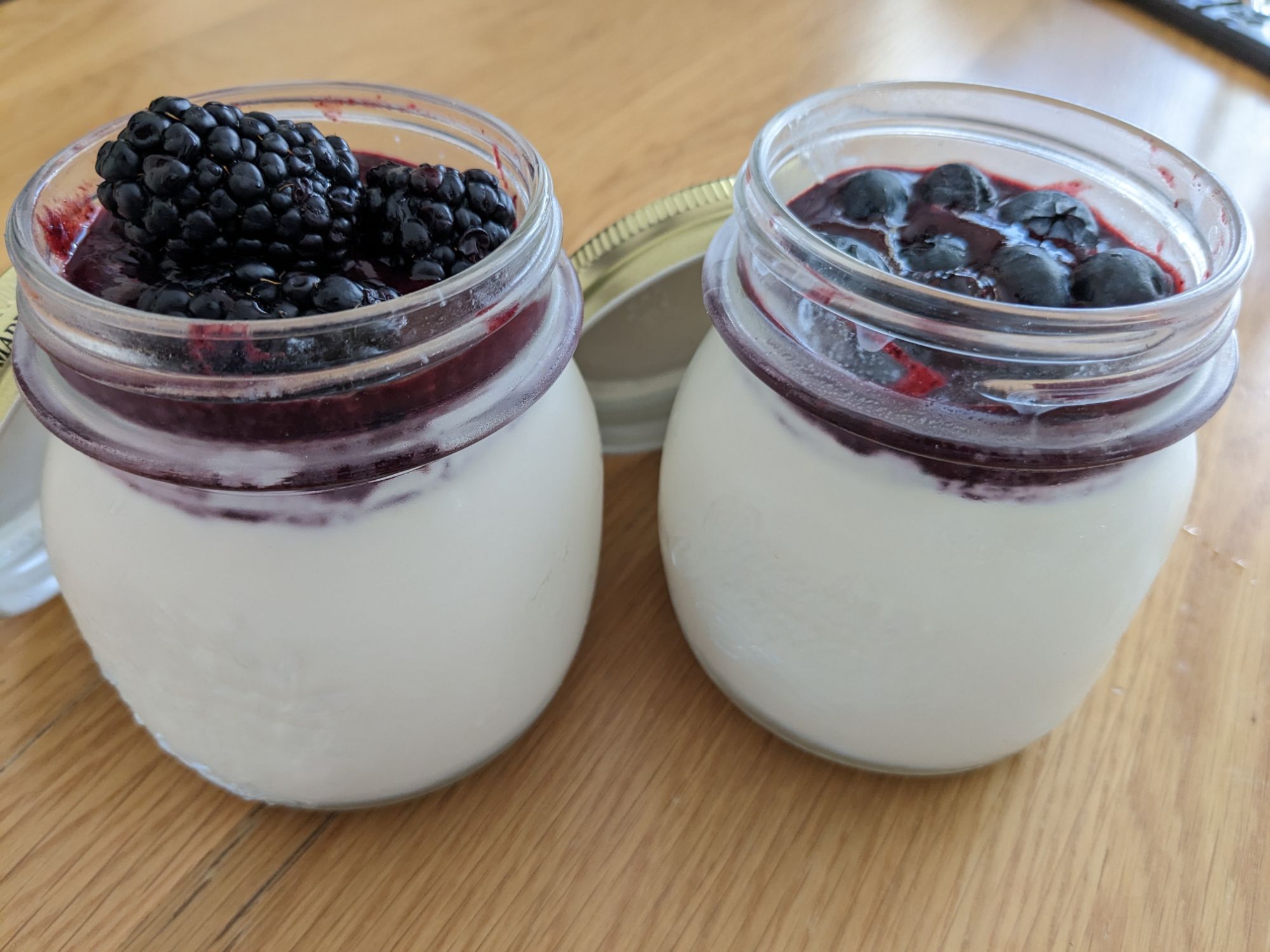
    There are a bunch of sites with sous vide recipes, of which I found Serious Eats to be quite useful as it gave a very detailed explanation of the differences that varying temperatures and cooking time can have on the end result. I have tried cooking a variety of dishes from prawns, mashed potatoes, fish (salmon & hilsa), chicken, lamb chops to panna cotta and they have come out quite well. This has been endorsed by my better half and daughter as well as the guests to whom we served some of the dishes.

    Here’s a quick reference table for some of the items that I have tried:

    FoodTemperatureTime
    Mashed Potatoes90°C60-90 min
    Salmon or Hilsa (Ilish)43°C (for buttery texture)
    up to 54°C for more flaky texture
    30-45 min
    Chicken breast60-65°C1-4 hours
    Chicken thigh66-74°C1-4 hours
    Prawns60°C (poached texture)30-45 min
    Lamb55-64°C2-4 hours
    Panna cotta90°C60-90 min

    Bonus: Bhapa Ilish alternative via sous vide

    After trying the salmon sous vide, I wanted to give the Bengali favourite hilsa fish (a distant cousin of the salmon after all) a try. Bhapa ilish (steamed hilsa) is a fairly simple dish where you mainly need to season the fish cuts with salt, turmeric, mustard oil & mustard powder (or crushed mustard).

    The typical technique involving a steam bath in a pressure cooker or microwave oven can be a bit hit or miss as the fish texture is very sensitive to temperature. That’s where sous vide comes in and while I didn’t find any online recipes for sous vide ilish, the salmon specs worked out quite excellently.

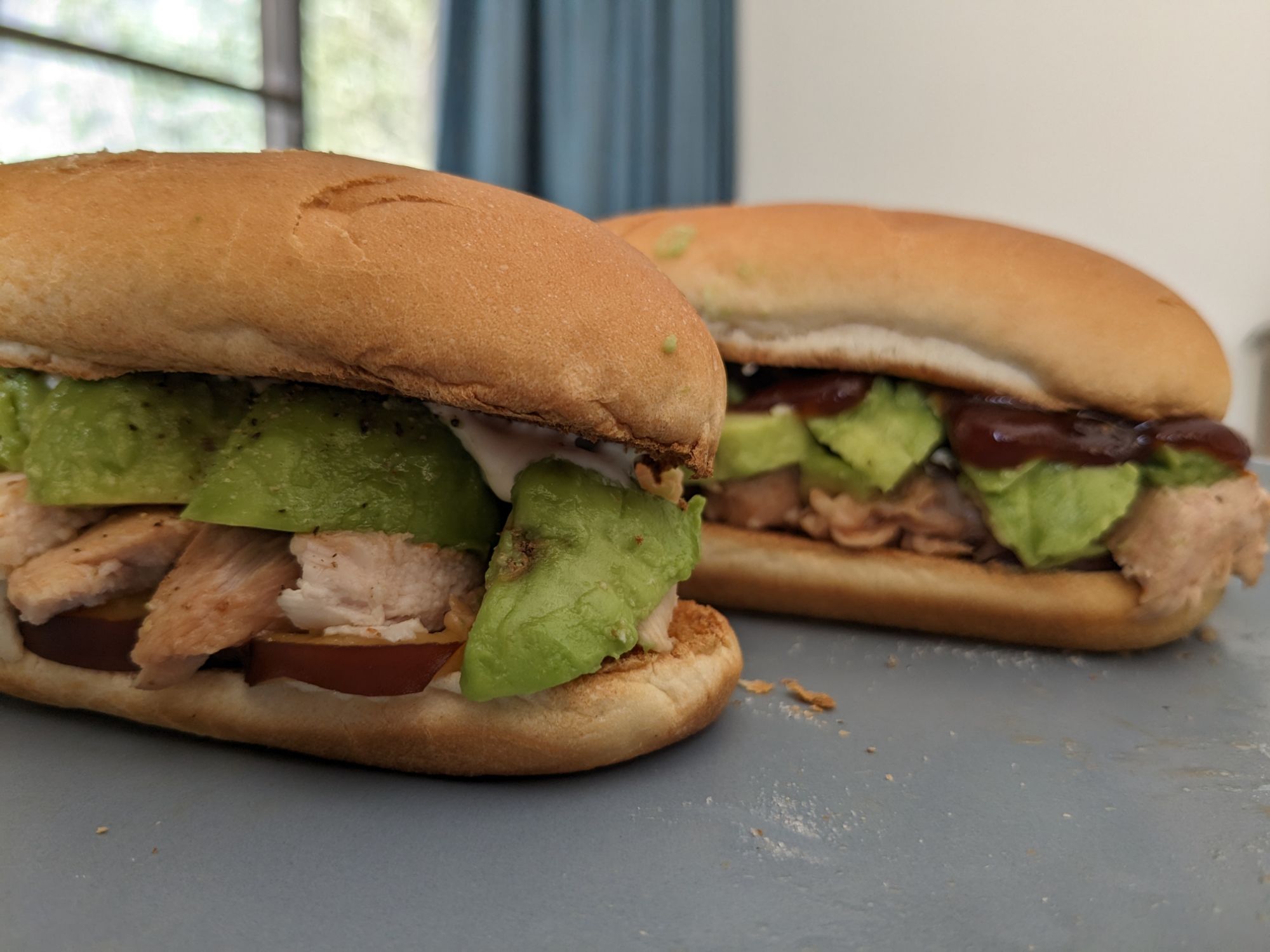
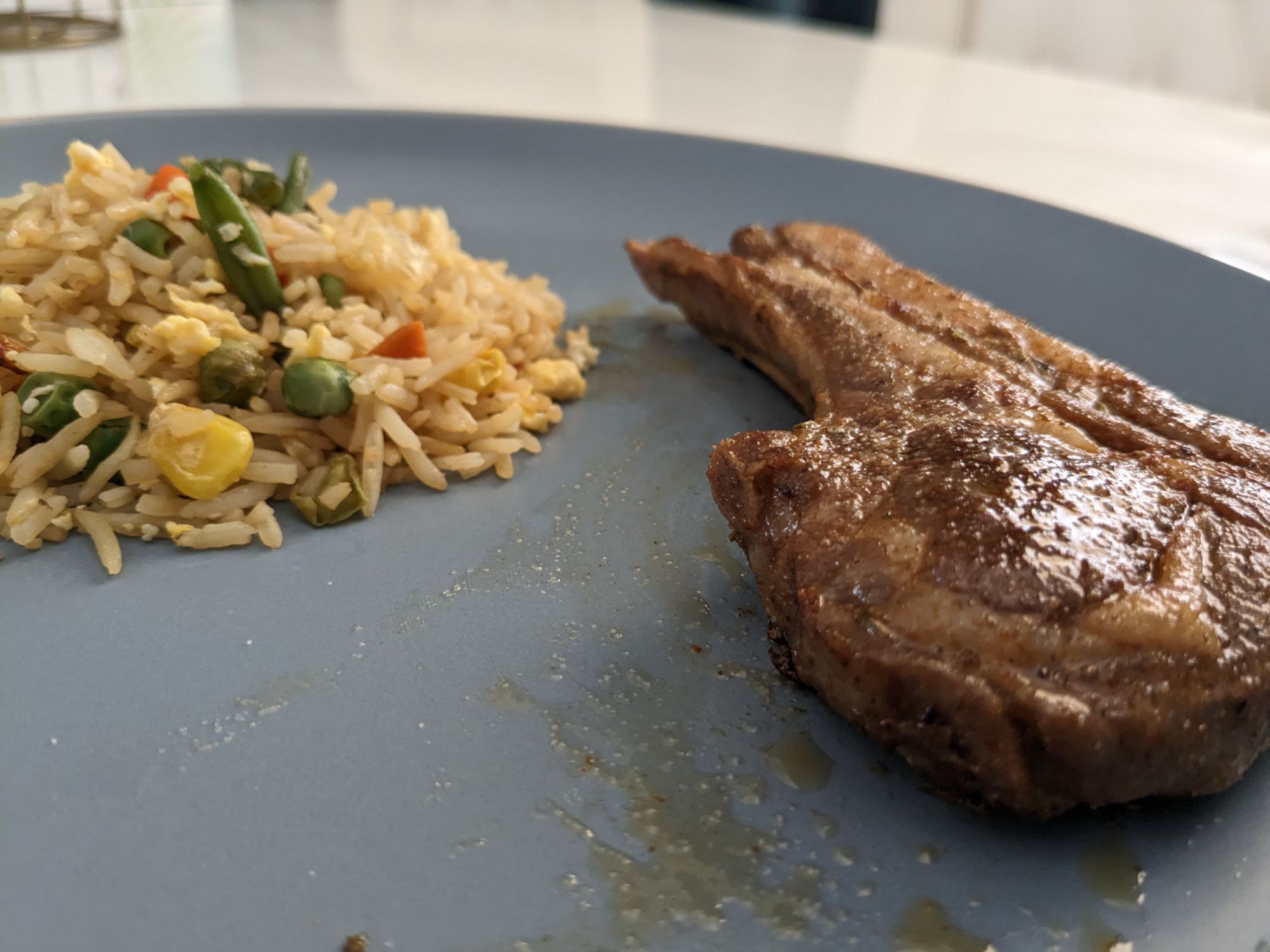
    Anyway, that’s my journey with the sous vide cooking method. Here are some of the photos of the dishes I cooked over the last couple of years:

  • X-Mouse

    The X-Men world turned upside down:

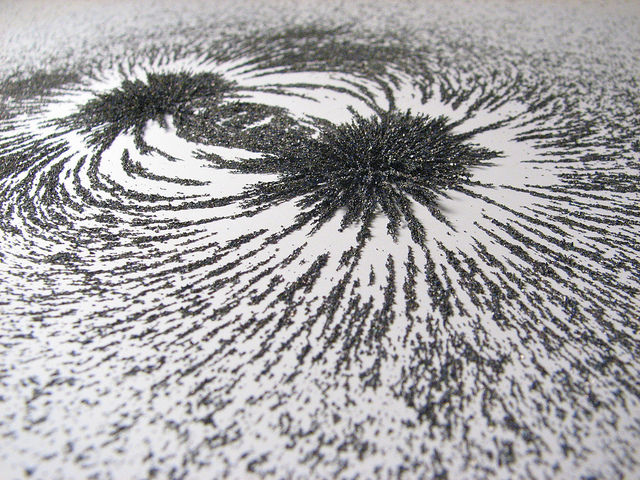
    When the researchers put the gene for Magneto in zebrafish, a model organism for brain development, they found that the hybrid could alter complex behaviors. Using a genetic switch, the researchers made Magneto active in the zebrafish nerve cells that are involved in sensing touch. And, when they added a magnetic field, the fish upped the amount of time they coiled their tails, a touch-induced escape response.

    Source: Magnetic mind control works in live animals, makes mice happy | Ars Technica

  • Judit Polgár – Geniuses are made, not born

    Now that’s taking your thesis seriously, resulting in one of the top chess players (and the best female chess player ever) in the world:

    Polgár and her two older sisters, Grandmaster Susan and International Master Sofia, were part of an educational experiment carried out by their father László Polgár, in an attempt to prove that children could make exceptional achievements if trained in a specialist subject from a very early age. “Geniuses are made, not born”, was László’s thesis. He and his wife Klára educated their three daughters at home, with chess as the specialist subject.

    via Judit Polgár – Wikipedia, the free encyclopedia.

  • Letting students set the exam rules

    A very interesting experiment by an UCLA professor where he let the students set the rules for the final exam of the Behavioral Ecology course:

    In the end, the students achieved their goal: They earned an excellent grade. I also achieved my goal: I got them to spend a week thinking like behavioral ecologists. As a group they learned Game Theory better than any of my previous classes. In educational lingo, “flipping the classroom” means students are expected to prepare to come to class not for a lecture, but for a question-and-answer discussion. What I did was “flip the test.” Students were given all the intellectual tools beforehand and then, for an hour, they had to use them to generate well-reasoned answers to difficult questions.

    via Quora